The brain, an intricate organ, is capable of remarkable feats of adaptation that enable humans to learn new skills and acquire novel information throughout their lives. Central to this capability is the brain's inherent plasticity—the ability to change its structure and function in response to experiences and learning. Understanding how the brain adapts to learning involves examining various aspects of neural plasticity and cognitive processes that facilitate learning, memory, and skill acquisition.
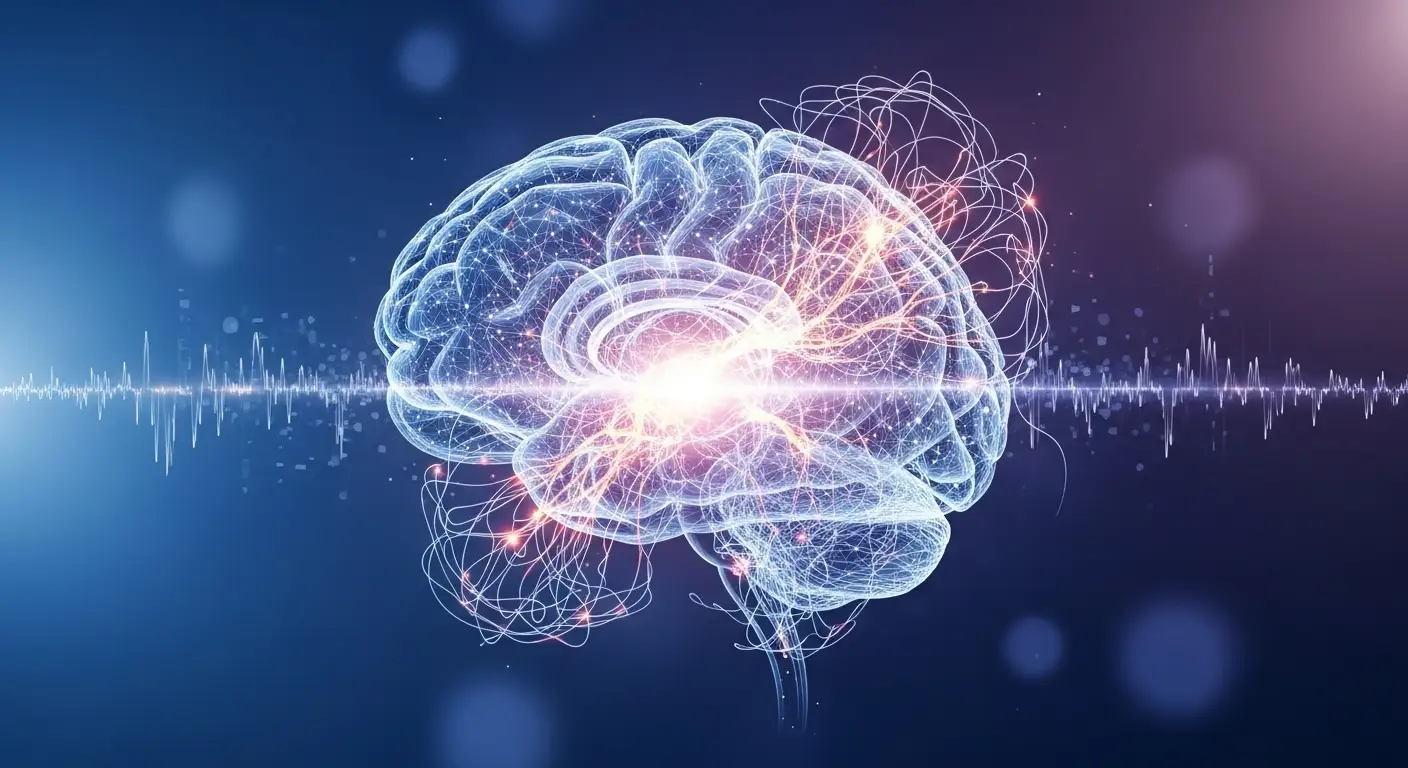
Neural plasticity, often referred to as neuroplasticity, is the process by which the brain's neural networks rewire themselves. This rewiring is fundamental to learning, as it allows for the formation and strengthening of connections between neurons. It is mediated by a variety of factors, including changes in synaptic strength, the growth of new synapses, and the elimination of redundant or less active connections. As individuals engage in learning activities, these synaptic changes facilitate the encoding and integration of new information.
One of the primary mechanisms through which the brain adapts to learning is long-term potentiation (LTP). LTP refers to the persistent strengthening of synapses based on recent patterns of activity. This synaptic strengthening is believed to be a physical basis for memory formation. When a synapse is frequently activated, the increased electrical activity leads to biochemical changes that enhance the efficiency of signal transmission across that synapse, thereby consolidating learning.
Conversely, long-term depression (LTD) reflects the weakening of synaptic connections. LTD serves as a complementary process to LTP, enabling the brain to adjust its neural circuits by selectively diminishing less important connections. Through a dynamic balance between LTP and LTD, the brain efficiently allocates resources to preserve vital information while discarding irrelevant data, a key aspect of adaptive learning.
Learning is also closely tied to the creation of new neurons through a process called neurogenesis. Once believed to be static after early childhood, research has shown that specific brain areas, such as the hippocampus, continue to generate new neurons throughout adulthood. Neurogenesis supports cognitive functions, including learning, by enhancing the flexibility of the hippocampal circuitry and offering new pathways for information processing.
The brain's adaptability extends beyond neural changes to encompass cognitive processes that facilitate learning. Attention, for instance, plays an integral role in promoting neural changes required for learning. When individuals focus their attention on a particular task, neuronal activity in related regions of the brain increases, marking those experiences as significant and worth encoding and learning.
Memory, another cognitive process intertwined with learning, involves storing, retaining, and recalling information over time. Different types of memory, such as procedural memory for skills and declarative memory for facts, engage various brain regions and entail distinct neural adaptations. Memory retrieval often results in neural reconsolidation, allowing for the refinement and updating of stored information based on new learning experiences.
Additionally, an individual's learning capacity is influenced by cognitive flexibility, which refers to the ability to adapt thinking and behavior in response to changing circumstances. This flexibility is manifested in problem-solving and creative thinking, skills that require the integration of various neural circuits to produce novel solutions or ideas.
Environmental factors, critical for shaping the brain's adaptability, include enriched environments that provide stimulation through social interaction, physical activity, and exposure to new experiences. Interaction with a rich environment fosters neural changes that enhance the brain's ability to learn and adapt. Research has shown that individuals in enriched environments tend to exhibit greater cognitive abilities and increased neural connectivity.
Furthermore, the brain's adaptation to learning is influenced by individual differences, including genetic predispositions, age, and even the emotional state of the learner. Genetics can affect the efficiency of synaptic changes and memory formation, while age can influence cognitive plasticity and the speed of learning. Emotional states, particularly those marked by strong motivation or stress, can either facilitate or hinder learning by affecting neurotransmitter levels and cortical activity.
Real-world learning experiences often require the integration of multiple senses, which the brain processes through sensory integration. This is critical for compiling comprehensive understandings of the environment. The brain relies on a multisensory approach to learn efficiently, as information processed in a multimodal context is more likely to be retained and recalled later.
Social interaction and collaboration are other significant factors that impact learning. Engaging in discussions, teaching others, or working in groups can enhance understanding and retention of information through shared knowledge and experience. These interactions not only promote neural changes but also aid the brain in developing social cognitive skills such as empathy and communication.
In conclusion, the brain's remarkable adaptability to learning through neural plasticity and cognitive processes underscores its dynamic nature. The interplay between synaptic changes, cognitive processes like attention and memory, and external influences such as the learning environment, individual differences, and sensory integration contributes to the continuous evolution of the learning brain. Understanding these elements not only illuminates the complexities of how learning occurs at the neural level but also highlights pathways for enhancing educational and cognitive development throughout life.